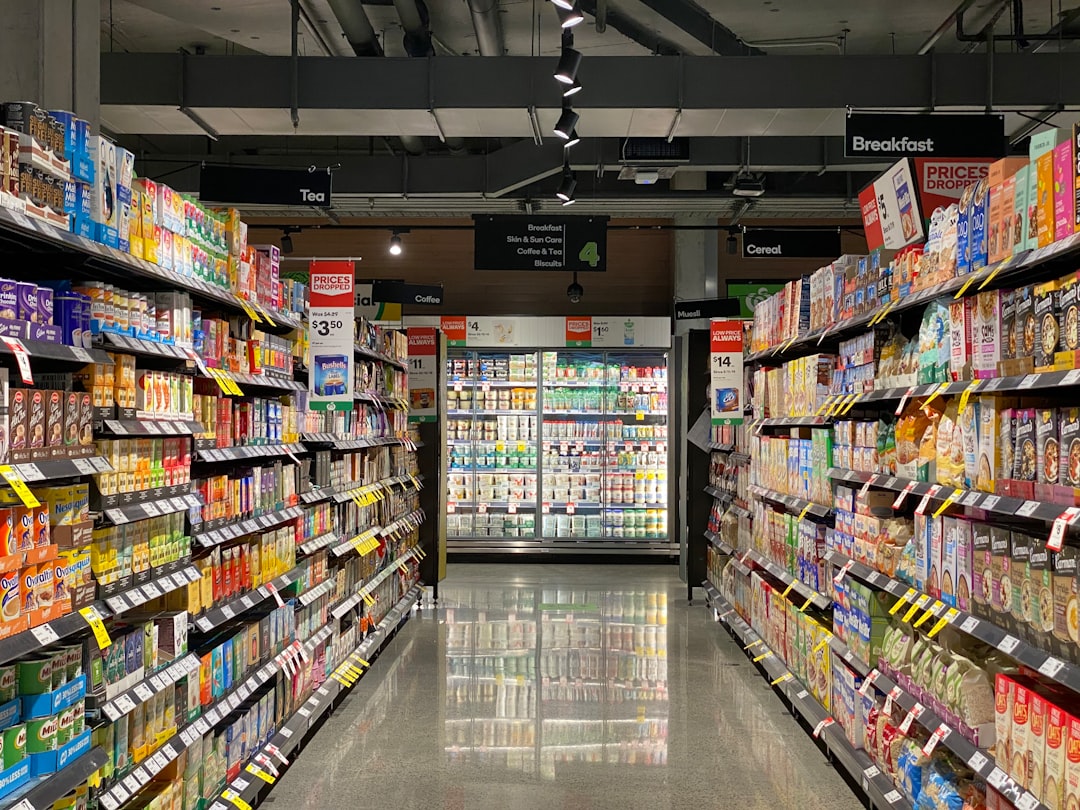
Wawa and Tesla joining forces to host Tesla Superchargers at Wawa convenience stores is more than a retail-utility deal — it is a strategic pivot that reshapes EV infrastructure and traveling convenience for high-performance electric vehicle owners, including supercar enthusiasts. This deep-dive explores what the partnership delivers technically, operationally and economically, and explains how buyers and owners of exotic EVs should adapt their routing, charging strategy and ownership expectations.
Why This Partnership Matters — A Strategic Overview
Scale and visibility: Charging where drivers already stop
Wawa is a regional can’t-miss brand for drivers along major corridors in the Eastern U.S.; placing Tesla Superchargers at Wawa sites accelerates charger deployment by leveraging existing real estate and customer traffic. That convenience model—integrating retail and charging—mirrors broader retail electrification trends and increases public familiarity with ultra-fast chargers.
Network effects for EV adoption
Supercharger availability is a leading factor in EV purchase decisions. For performance-oriented buyers, range anxiety is less about raw miles and more about predictable, high-power charging that's accessible during driving routines. The Wawa-Tesla collaboration reduces friction by delivering chargers at places drivers already plan to stop for food, rest or errands.
Signaling to other retailers and municipalities
When a major convenience chain pairs with Tesla, it sends a signal to competitors and local governments that fast-charging at retail sites is commercially viable. Expect fast followers — both in branded retail and municipal programs — to accelerate their own rollouts once the Wawa-Tesla pilot demonstrates consistent throughput and revenue uplift.
Technical Footprint: Tesla Superchargers at Wawa
Power levels and architecture
Tesla Superchargers are designed around high-power DC fast charging. Locations at Wawa will likely be a mix of V3 (250 kW+) stalls and V2 (150 kW) where site electrical capacity limits upgrade. For supercars and high-performance EVs, these power levels mean strategic 10–40 minute top-ups that preserve battery health while enabling long-distance performance driving.
Site electrical upgrades and grid impacts
Installing Superchargers at convenience stores often requires significant electrical upgrades: new service transformers, switchgear and on-site energy management. The partnership will drive upgrades not just to individual Wawa sites but to distribution circuits, creating an impetus for utilities to prioritize capacity improvements along key corridors.
Future-proofing: modular design and software integration
Tesla’s Supercharger architecture and backend software allow modular expansion and dynamic load management. That reduces downtime during growth phases and enables Wawa sites to evolve from a handful of stalls to high-capacity hubs should demand rise — a vital capability for supporting clusters of exotic EV owners attending track days or regional events.
Convenience Layer: How Retail Integration Changes the User Experience
One-stop stops: food, restroom, and charging
Wawa’s stores offer amenities — restrooms, coffee, prepared food and a concise retail experience — that reduce the perceived cost of stopping for a charge. For supercar owners who value time, a 20–30 minute Supercharger session paired with a quality in-store experience turns charging into productive downtime rather than a burden.
Payment, loyalty and frictionless access
Integrated billing and loyalty offers (e.g., Wawa discounts or Tesla app integration) can shorten transactions. Wawa’s POS systems and Tesla’s software stack will likely coordinate promotions, delivering cross-sell value while smoothing the charging transaction for high-net-worth buyers who demand frictionless experiences.
Brand synergy and customer expectations
Wawa’s brand is rooted in convenience and reliability; pairing with Tesla elevates the retailer’s value proposition. For exotic EV owners, that means more predictable travel planning: chargers are more likely to be operational and maintained by a recognized retail partner motivated to protect its brand experience.
Implications for Supercar Owners and Exotic EV Buyers
Route planning and performance driving
Supercar owners planning region-to-region trips should incorporate Wawa-hosted Superchargers into their routes as predictable high-speed charging waypoints. Use route planners — Tesla’s native navigation or third-party tools — to time charging around peak power availability and store hours.
Battery management and warranty considerations
Frequent DC fast charging at high power is convenient but must be balanced with battery health strategies. Exotic EV owners should consult manufacturer guidance, cycle-charging best practices and plan for a mix of fast top-ups and slower replenishment where possible to maximize long-term battery life.
Concierge services and ownership expectations
High-value buyers expect white-glove service: pre-trip route checks, charger availability confirmations and valet-style charging. Sellers and brokers on platforms serving exotic cars should offer these concierge packages — from charging reservations to on-the-road assistance — as part of the premium ownership experience.
Economic Model: Who Pays, Who Benefits?
Revenue streams for retailers and operators
Retail hosts benefit from incremental in-store spend and potential revenue sharing for charging throughput. Tesla benefits from network expansion and roaming fees when non-Tesla vehicles use the network. The economics hinge on utilization rates and local electricity costs.
Site economics and amortization
Upfront capital for equipment and electrical upgrades is the largest barrier. Payback timelines depend on charger utilization; high-traffic Wawa locations on major corridors can see reasonable returns through a combination of direct charging fees and uplift in ancillary sales.
Incentives, grants and utility partnerships
Many jurisdictions provide grants or favorable tariffs for fast-charging infrastructure. Wawa and Tesla can accelerate rollouts by tapping utility programs, municipal incentives and federal funding streams; owners should monitor these programs because they directly influence charger density and availability along desirable routes.
Operational Challenges: Grid, Permitting, and Logistics
Grid constraints and solutions
High-power chargers strain local distribution networks. To avoid costly grid upgrades, operators increasingly deploy stationary storage, solar arrays or managed charging to shave peaks. These hybrid models reduce demand charges and improve resiliency, especially at sites that host multiple chargers.
Permitting and local approvals
Permitting timelines vary by municipality and can slow rollouts. Retailers with experience in construction and municipal engagement, like Wawa, can streamline approvals, but delays remain a real-world constraint for rapid network expansion.
Supply chain and equipment delivery
Deploying chargers requires coordinated logistics: equipment, electrical gear and installation crews. Recent global supply chain dynamics, discussed in shipping coverage such as shipping industry expansion reports, impact timelines and component availability. Integrating automation and warehouse efficiencies can mitigate delays.
Supply Chain, Automation and the Role of Technology
Warehouse automation and deployment speed
Faster deployments depend on efficient parts distribution. The robotics revolution in warehouses — detailed in analyses like warehouse automation reports — reduces lead times for critical charging equipment and electrical components, lowering installation backlogs.
Software orchestration, AI and edge compute
Smart charge orchestration uses edge compute and AI to balance loads and predict usage. Research into edge-centric AI tools and emerging computation models, such as those discussed in quantum and edge-compute explorations, points toward more efficient, predictive infrastructure management.
AI agents and project management
AI-driven project tools accelerate site selection, permitting, and scheduling. For example, discussions around AI agents for project management (see AI agents in project workflows) illustrate how automation can compress project timelines and improve coordination across contractors, utilities and retail partners.
Wider Industry Impacts and Competitive Response
How competitors react
Major retailers will react by negotiating with charging OEMs and utilities, or by building proprietary networks. The Wawa-Tesla tie-up pressures competitors to demonstrate equal convenience and reliability or lose share among high-value drivers.
Utility and policy dynamics
Utilities will need to re-evaluate rates, demand charges and capacity planning. Regulatory changes influencing technology deployments and energy markets — topics explored in policy roundups like regulatory change analyses — will shape how fast-charging scales across regions.
Impacts on luxury EV component markets
As luxury EV adoption grows, markets for performance parts, specialized maintenance and aftermarket services will expand. The trend is already covered in industry pieces such as analysis of luxury electric vehicles, which forecasts increased demand for high-performance charging solutions and parts tailored for exotic EV platforms.
How Owners Should Plan: Practical Advice for Supercar Buyers
Pre-trip checklist for long-distance travel
Build a pre-trip checklist: confirm charger locations and hours, verify expected power levels, and factor in alternative charging options. Use real-world travel guides and local destination intel — for lifestyle stops and regional attractions — to schedule meaningful breaks during charging stops (for example, local guides to destination hot spots like regional beach bar guides can help pair charging with a worthwhile break).
Packing, logistics and companion planning
For multi-day drives, prepare an accessories kit: high-quality charging cables, adapters if needed, and essentials for passengers or pets. Travel gear resources like pet travel guides and modern tech packing tips in pieces like camping-tech guides provide useful checklists for planning comfort during charging stops.
Concierge and community services
Consider using dealer or broker concierge services to pre-book accommodations and run pre-trip checks. Exotic car communities and track-day organizers often coordinate charging logistics; learning from hospitality-focused approaches — even how retailers craft experiences around food and events like a well-planned pizza-night event — can inspire better owner-focused services that turn a stop into a positive experience.
Pro Tip: For long runs with multiple supercar passengers, stagger charging stops to avoid queuing. Combine a 20–30 minute Supercharger top-up with a focused break — a short walk, light meal, or a quick concierge service — to keep the trip efficient and enjoyable.
Case Studies & Real-World Examples
Retail-hosted chargers that scaled
Several retailers have successfully hosted high-power chargers by aligning store hours, maintenance routines and customer service. These case studies highlight the need for transparent uptime reporting and responsive onsite staff trained to escalate technical issues quickly.
Logistics lessons from shipping and distribution
Large-scale logistics plays a role in charger rollouts. Lessons from shipping industry changes, such as operational shifts highlighted in shipping expansion coverage, underscore the importance of diversified supplier relationships and forward-stocking critical components to avoid installation delays.
Celebrity and high-profile owner experiences
High-profile owners and celebrity sports figures often shape infrastructure expectations. Coverage on celebrity ownership effects, for example in reports like celebrity sports owner analysis and team dynamics articles such as sports team dynamic pieces, illustrates how public figures can amplify infrastructure needs and accelerate adoption.
Comparison: Charger Options for Supercar Owners
Below is a practical comparison of charger types that matter to exotic EV owners. Use this table when choosing routes and planning facilities for long-distance travel or events.
| Charger Type | Typical Power | Best Use | Avg. Stop Time | Pros/Cons for Supercars |
|---|---|---|---|---|
| Tesla V3 Supercharger | 250 kW+ | Long-distance fast top-ups | 10–25 min | Very fast; limited to supported vehicles or adapters; high throughput. |
| Tesla V2 / other 150 kW DCFC | 100–150 kW | Regional travel & corridor fills | 20–40 min | Widely deployed; slightly slower, often more available. |
| 350 kW Ultra-Fast DCFC | 200–350 kW | Event hubs & high-capacity nodes | 5–15 min (top-up) | Fastest; limited availability and higher site cost. |
| 50 kW DC Fast (CHAdeMO/CCS) | 50 kW | Quick urban top-ups | 30–60 min | Lower power; useful where grid limits prevent higher power. |
| Level 2 AC (240V) | 6–19 kW | Overnight, destination charging | 3–12 hrs | Gentle on battery; essential for home/garage charging and long-term storage. |
FAQs — What Exotic EV Owners Ask Most
Is Wawa adding chargers at every location?
Not every Wawa will host Superchargers. Initial rollouts focus on high-traffic, grid-capable sites near major corridors. Expect phased expansion based on demand and electrical feasibility.
Will non-Tesla EVs be able to use Wawa Superchargers?
Tesla is expanding interoperability in many regions through adapters and CCS integration. Availability for non-Tesla vehicles will depend on regional policy and individual station configurations.
How should I balance fast charging with battery longevity?
Use DC fast charging for necessary long runs and top-ups, but incorporate Level 2 charging when practical. Follow manufacturer guidance for charge limits (e.g., avoiding frequent 100% DCFC cycles) to maintain battery health.
What happens if a Supercharger is offline on a trip?
Always identify alternate chargers along your route. Owner communities and concierge services reduce risk by monitoring uptime and offering alternatives, and some retailers provide local staff assistance during outages.
Will Wawa offer dedicated premium services for exotic car owners?
While details vary, expect premium services via dealers, brokers and third-party concierges that coordinate charging reservations, on-site assistance and pre-trip planning for high-value clientele.
Conclusion: What This Means for the Future of EV Ownership
The Wawa-Tesla partnership is an important milestone in the maturation of EV infrastructure. It marries high-power charging technology with a retail convenience model that reduces friction for drivers, including supercar owners who prioritize predictability, speed and premium service. Retail-host partnerships will be a major channel for fast-charger expansion over the next decade, and owners who plan routes, leverage concierge services and balance charging strategies will extract the most value from these networks.
For owners and buyers of exotic EVs, this is a time to be strategic: adopt route planning best practices, understand charger types (refer to our charger comparison table above), and demand concierge-grade services from brokers and dealers. As deployments accelerate — enabled by smarter logistics and automation (see examples like warehouse automation) — the convenience equation will tip further in the EV ecosystem’s favor.
For a deeper look at how luxury EV markets are evolving and what it means for performance parts and ownership, review our longform analysis on the rise of luxury electric vehicles. Stay informed on logistics trends affecting rollouts by exploring recent shipping industry reporting such as shipping expansion coverage, and consider how AI and edge computing will optimize charging networks via resources like edge AI research and project automation insights in AI agent discussions.
If you’re an owner preparing for a multi-state drive, plan stops around Wawa-hosted Superchargers, pack a smart accessory kit and coordinate concierge services where available. For sellers and brokers, offering pre-trip checks, charger reservations and in-trip support will be a differentiator as affluent buyers increasingly expect seamless mobility experiences — a trend paralleled in other lifestyle services and event planning and even in hospitality-minded retail activations similar to curated food events (see ideas from lifestyle planning like pizza-night event guides).
Related Reading
- The Future of Fit - How tech-enabled personalization in luxury services parallels concierge offerings for exotic EV owners.
- Maximize Your Career Potential - Lessons in service and presentation that apply to premium automotive brokerage services.
- Using Modern Tech to Enhance Camping - Tech packing and power-management strategies useful for long multi-day EV trips.
- Indiana Hidden Beach Bars Guide - Example of pairing charging stops with worthwhile regional experiences during roadtrips.
- The Robotics Revolution - How automation shortens deployment lead times for infrastructure components.